Most companies don’t keep a legacy serialization platform because they like it. And they keep it because the business case to replace it doesn’t clear the threshold.
The calculation is usually straightforward:
Cost to stay:
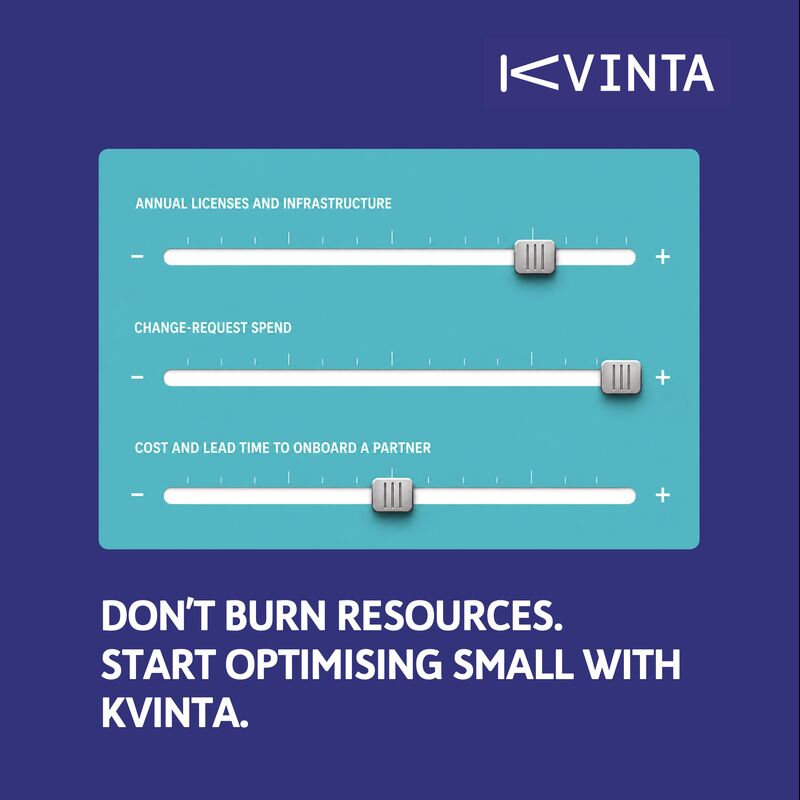
– annual licenses and infrastructure
– internal support FTEs
– change-request spend
– regression testing effort
– cost and lead time to onboard a partner
– cost and lead time to enter a new market
– integration maintenance
vs.
Cost to switch:
– migration
– validation
– integrations
– retraining
– operational risk
For years, staying might have won. But when budgets tighten, teams shrink, and the cost of every change matters more, that equation can move quickly.
The question is: “What is it costing us to keep it working — and to change it when the business changes?”
That is the point where a modular alternative starts to become financially relevant. You don’t have to replace everything to improve the equation. Start with the part that creates the most cost or friction.
Let us help you find the right balance between what is worth keeping and what is worth changing.